
FIBC Bulk Bags
Safe, Clean, and Certified. FIBCs for Food Production
At Pentagon Secure Packaging, we know that food safety begins long before your products reach the consumer. That’s why our Food-Grade FIBCs (Flexible Intermediate Bulk Containers) are designed and manufactured to meet the highest global standards for hygiene, traceability, and product protection.
Every food-grade bag we produce is built in a controlled, contamination-free environment, ensuring your ingredients remain pure, secure, and compliant throughout storage and transport.
The difference between Type A,
Type B, Type C and Type D bulk bags
Understanding the Differences Between Type A, B, C & D Bulk Bags
At Pentagon Secure Packaging, safety, quality, and performance are at the heart of everything we do. When it comes to Flexible Intermediate Bulk Containers (FIBCs), choosing the right type is essential — especially if you’re handling materials that can generate static electricity.
Different FIBC types are designed to manage static in different ways, ensuring the right level of protection for your product and your working environment.
Differences
Type A Bulk Bags.
Standard FIBCs
Use: Non-flammable materials in dust-free, non-explosive environments.
Type A bags are made from plain woven polypropylene with no electrostatic protection. They’re suitable for general use where there’s no risk of static discharge or flammable atmospheres.
Do not use Type A bags with flammable powders, vapours, or gases.
Type B Bulk Bags
Low Breakdown
Voltage FIBCs
Use: Dry, flammable powders in environments without flammable gases or vapours present.
Type B bags are made from standard polypropylene, but the fabric is designed to prevent propagating brush discharges by having a low breakdown voltage (<6kV).
While they reduce the risk of high-energy discharges, they cannot dissipate static charges through grounding.
Type B bags are safer than Type A but not suitable for explosive atmospheres.
Type C Bulk Bags
Conductive or
Groundable FIBCs
Use: Flammable powders or environments where flammable gases, vapours, or dust clouds may be present.
Type C bags are made from conductive fabrics with interconnected conductive threads that must be connected to a proper ground during filling and discharge.
This allows static charges to safely dissipate, preventing sparks or discharges that could ignite combustible materials.
Always ensure Type C bags are properly grounded before use.
Type D Bulk Bags.
Static Dissipative FIBCs
Use: Similar applications to Type C, but where grounding is not practical or possible.
Type D bags are made from static-dissipative fabric that neutralizes static charges without the need for grounding. They safely prevent sparks and brush discharges even in flammable or explosive atmospheres.
Do not use Type D bags if they are contaminated with conductive materials (e.g., water, oil, grease).
Our Commitment to Food Safety
Premium materials
Made exclusively from 100% virgin-grade polypropylene, ensuring strength, cleanliness, and consistency.
Hygienic Production
Manufactured in dedicated cleanroom facilities with monitored air quality, temperature, and humidity.
Advanced Fabrication
Panels are ultrasonically cut to prevent loose fibres, and all seams are externally stitched to reduce contamination risks.
Comprehensive Inspection
Each FIBC is cleaned, air-tested, and metal-detected before passing a final visual inspection.
Secure packaging
Bags are sealed and palletized on heat-treated pallets, maintaining integrity during transit and storage.
Certified for
Confidence
Our FIBCs comply fully with BRCGS, FSSC 22000, and ISO standards for food safety, giving you total confidence that your packaging meets — and exceeds — industry requirements.
Whether you’re handling dry powders, grains, sugar, dairy ingredients, or other food products, Pentagon Secure Packaging provides reliable, hygienic, and traceable FIBC solutions that protect the quality of what matters most — your product.
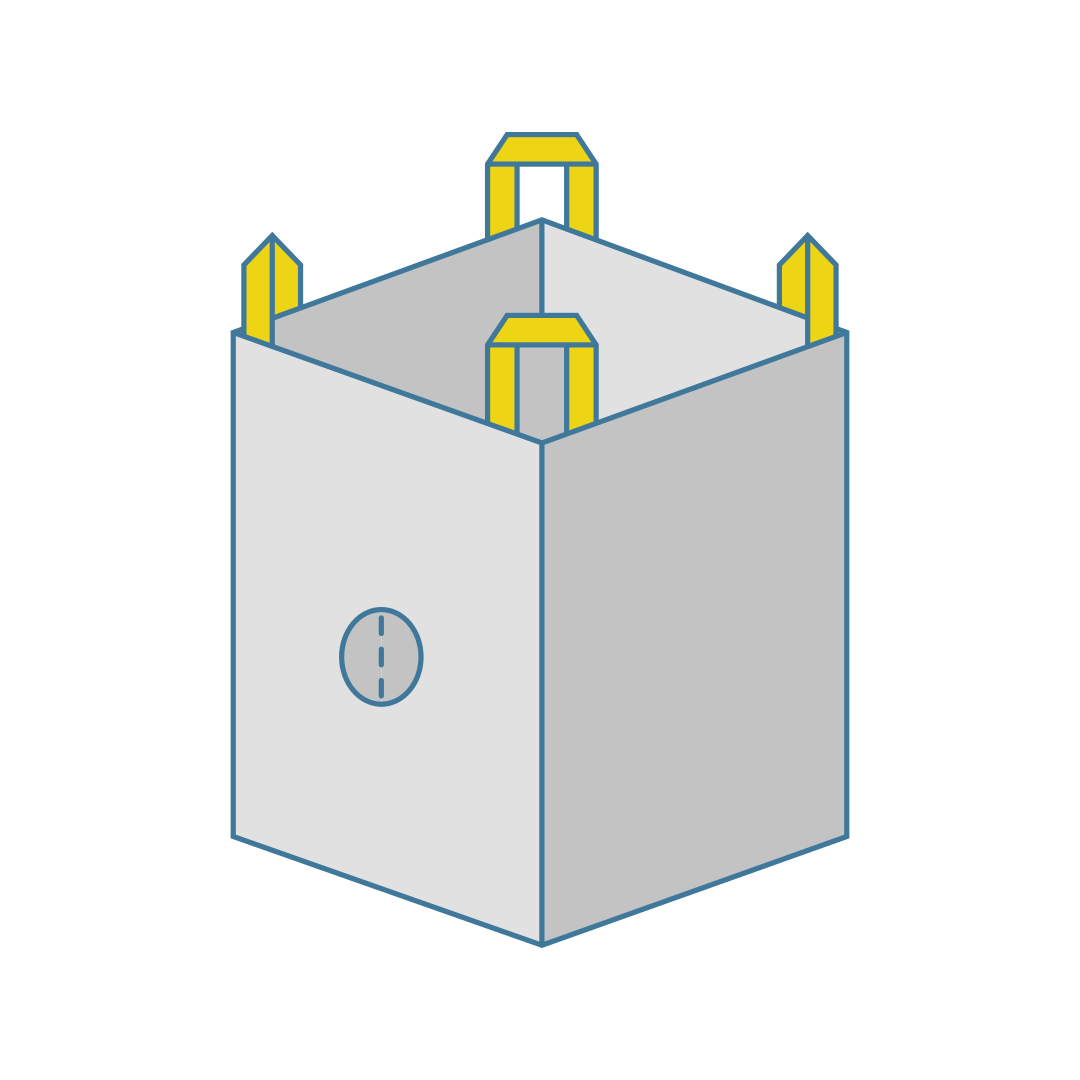
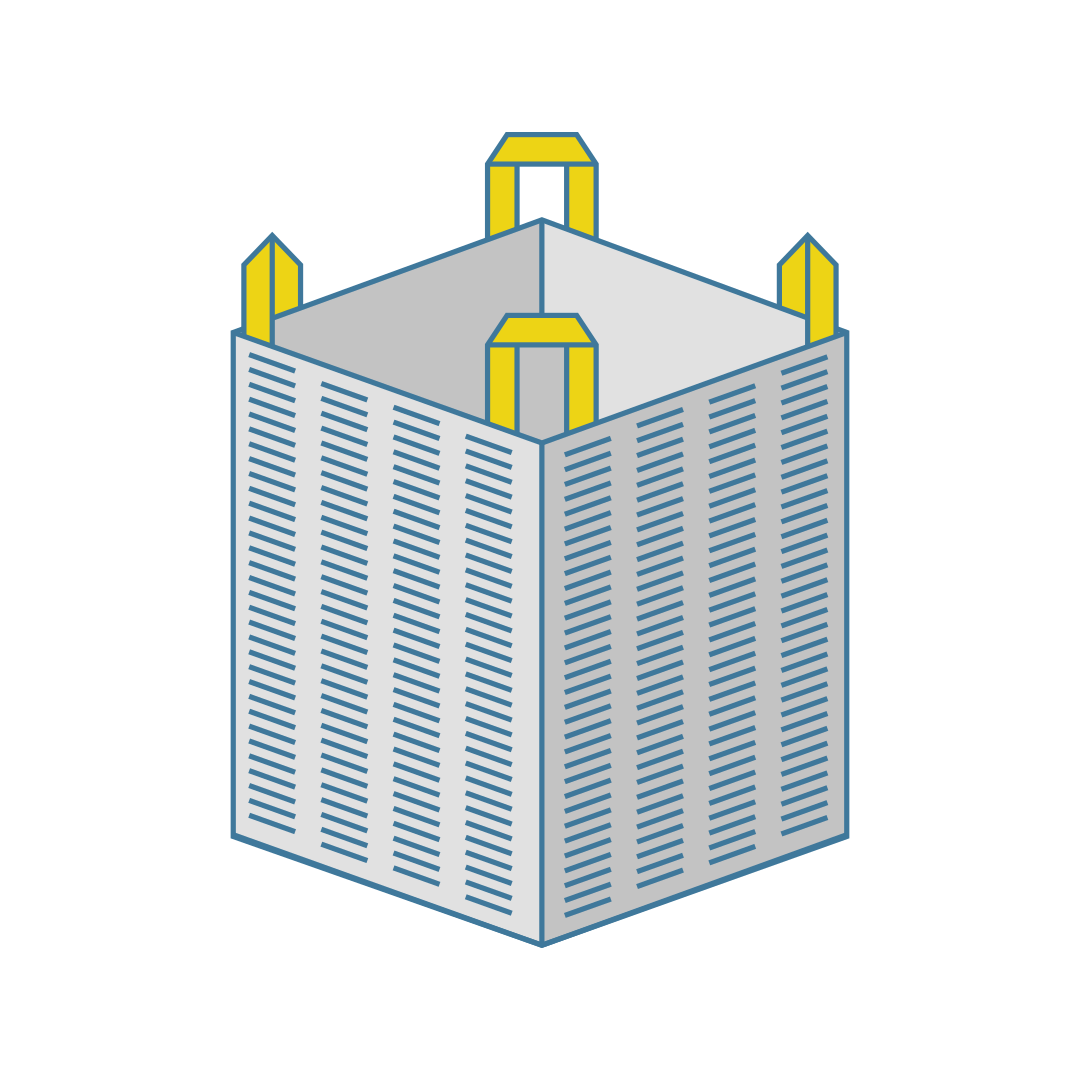
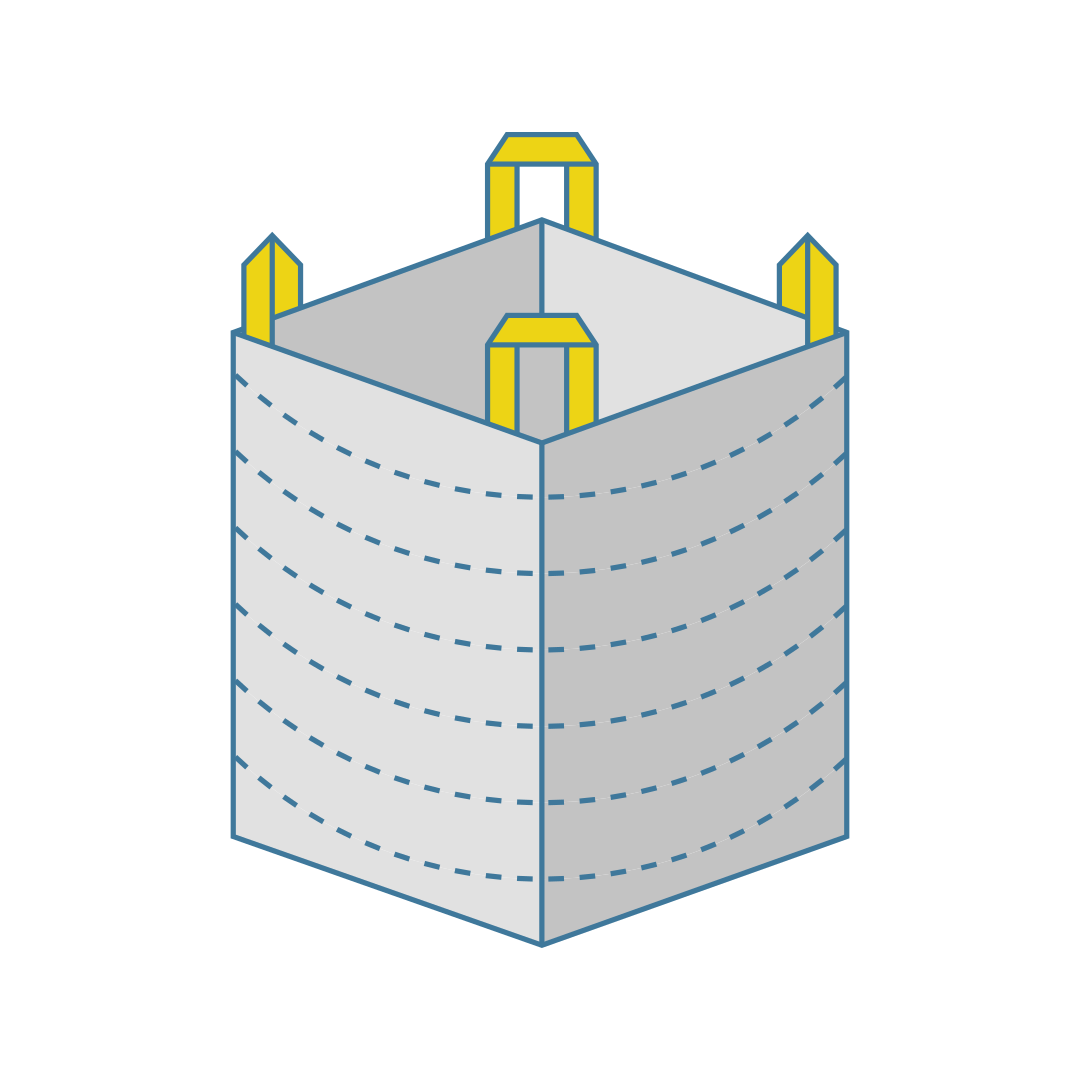
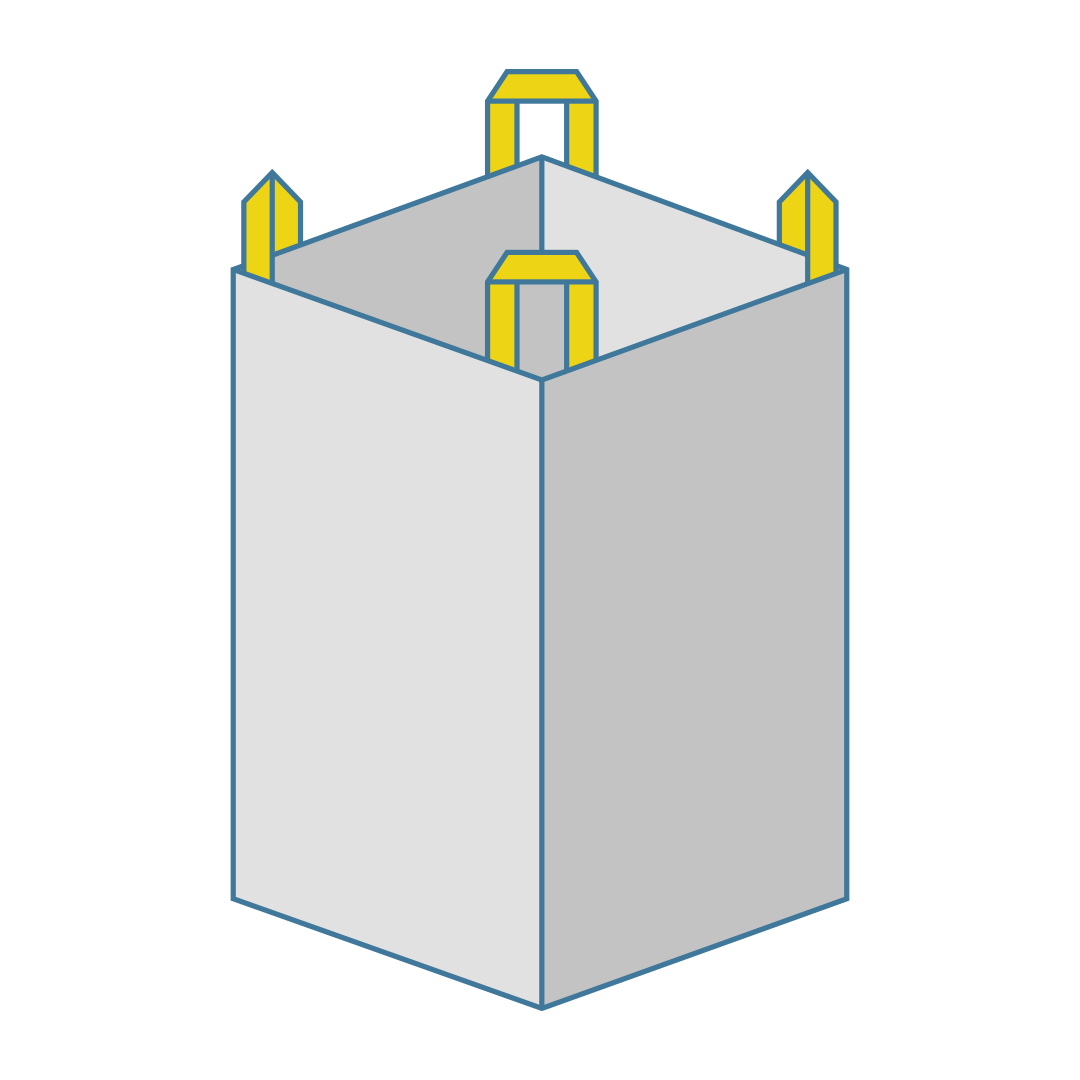
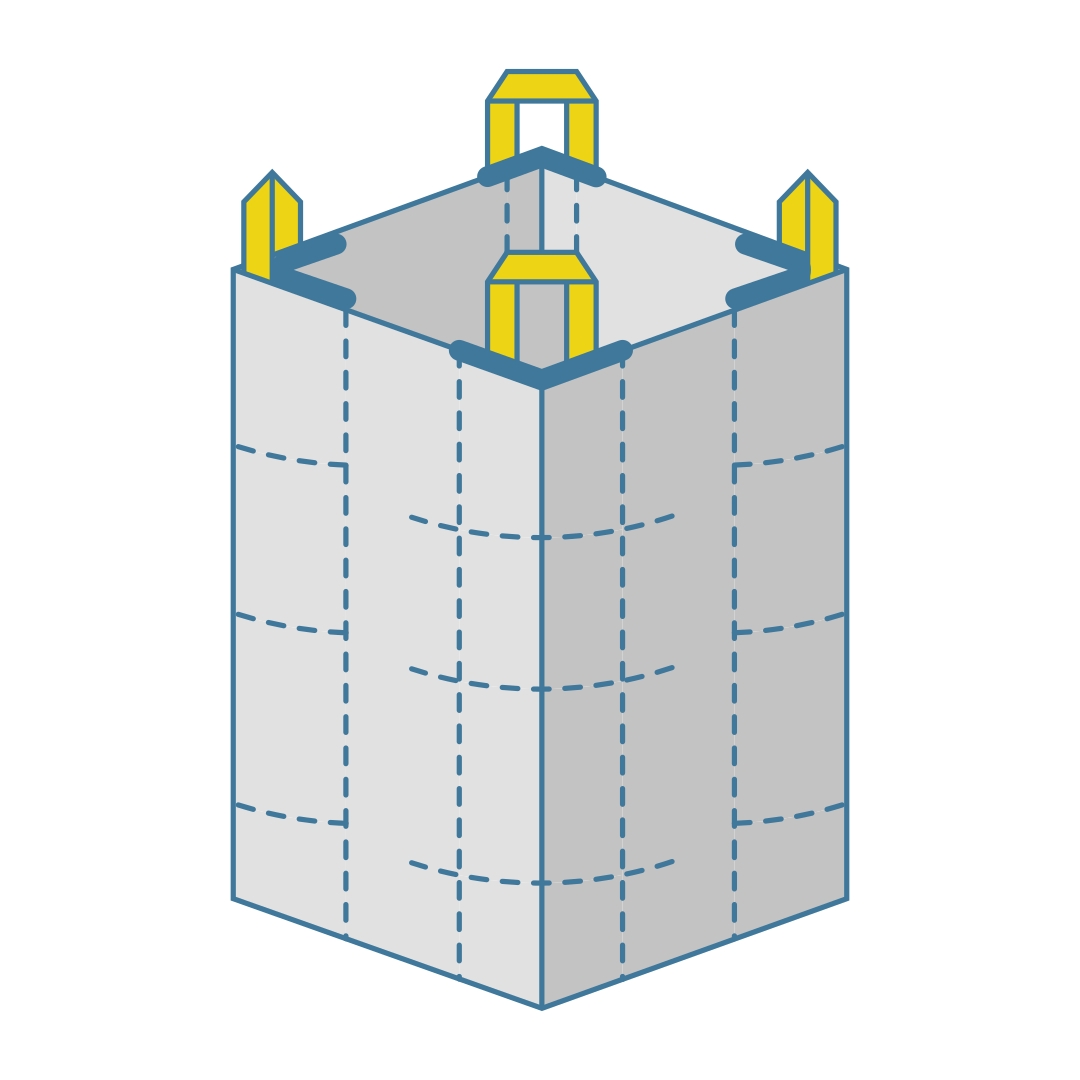
FIBC Bulk Bag Types & Configuration Options
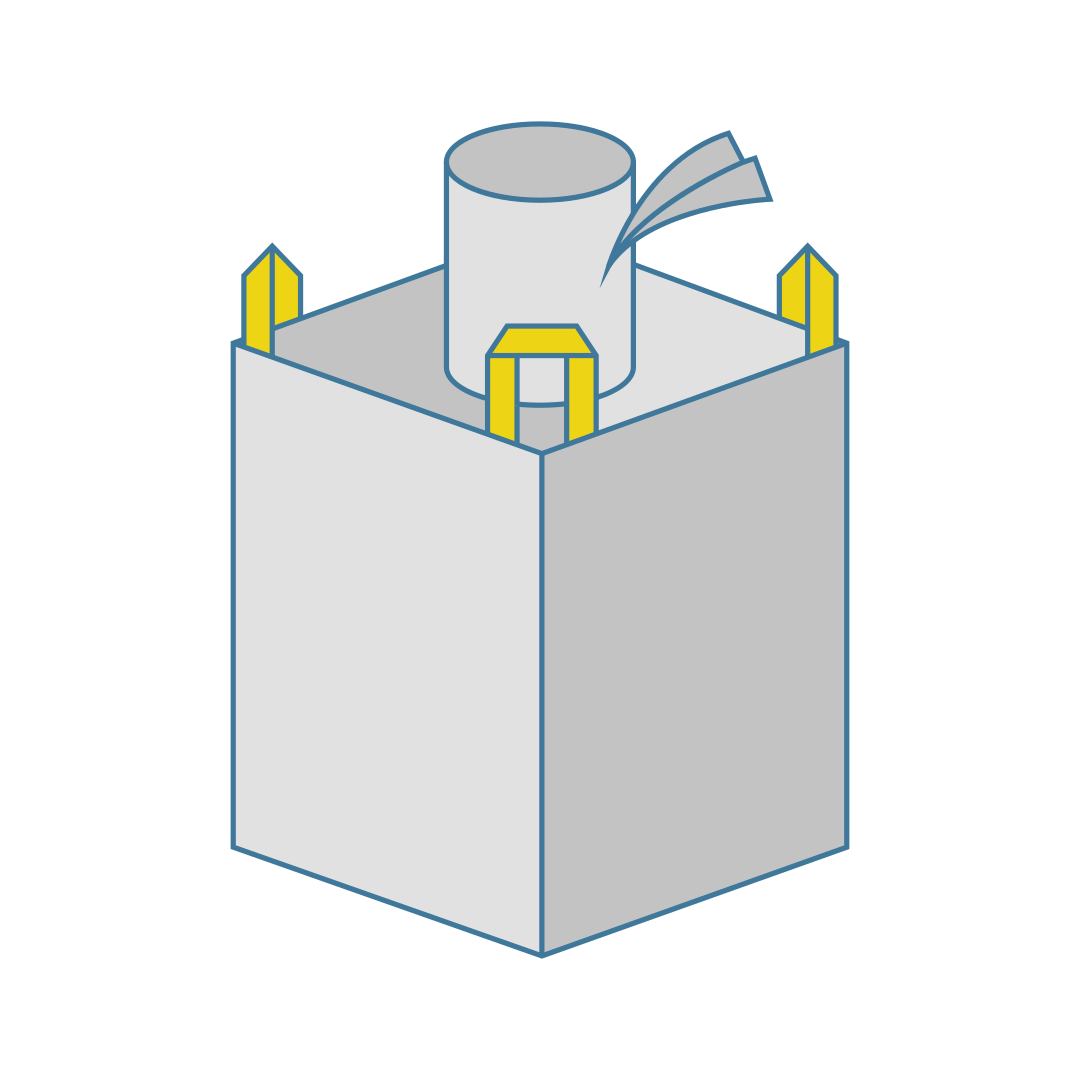
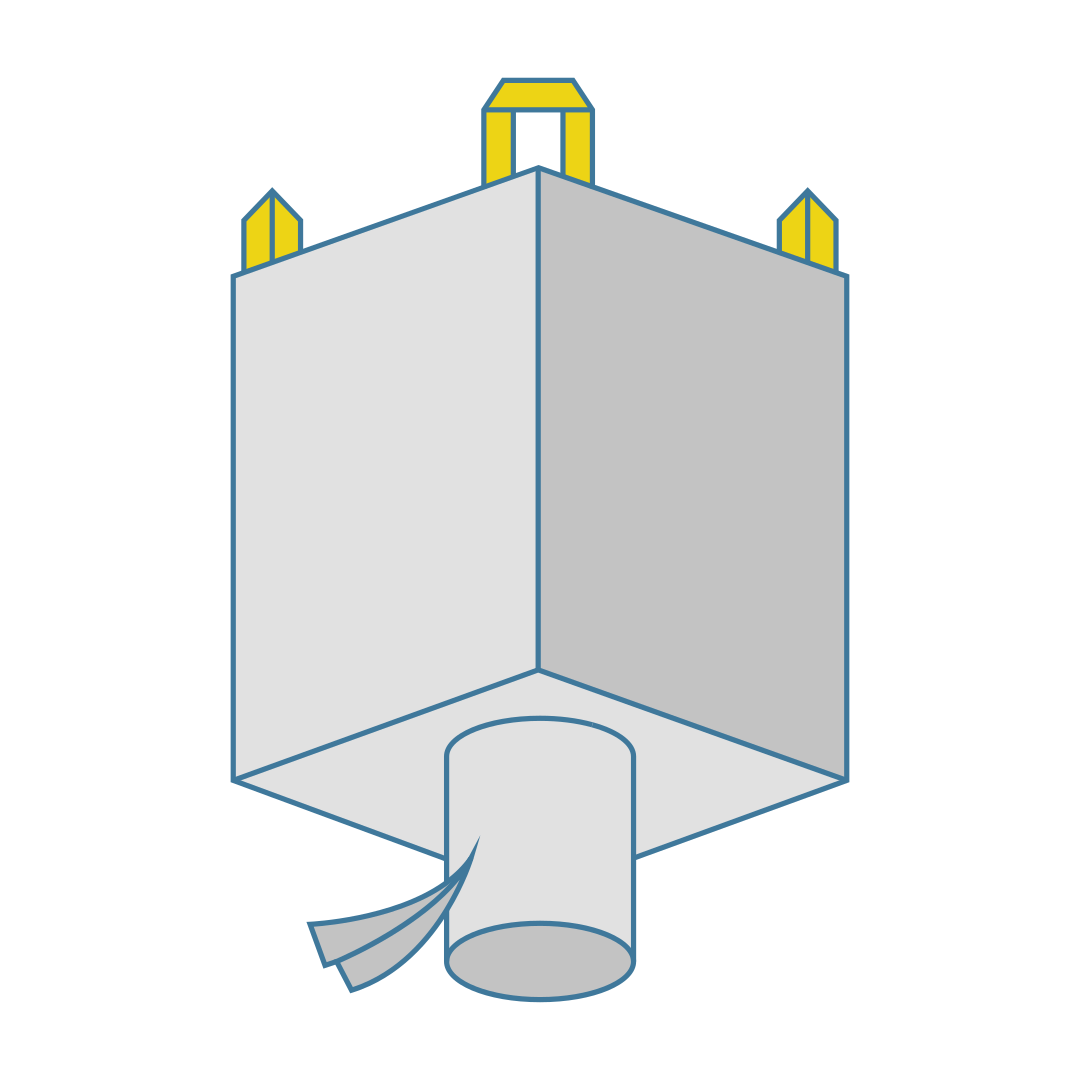
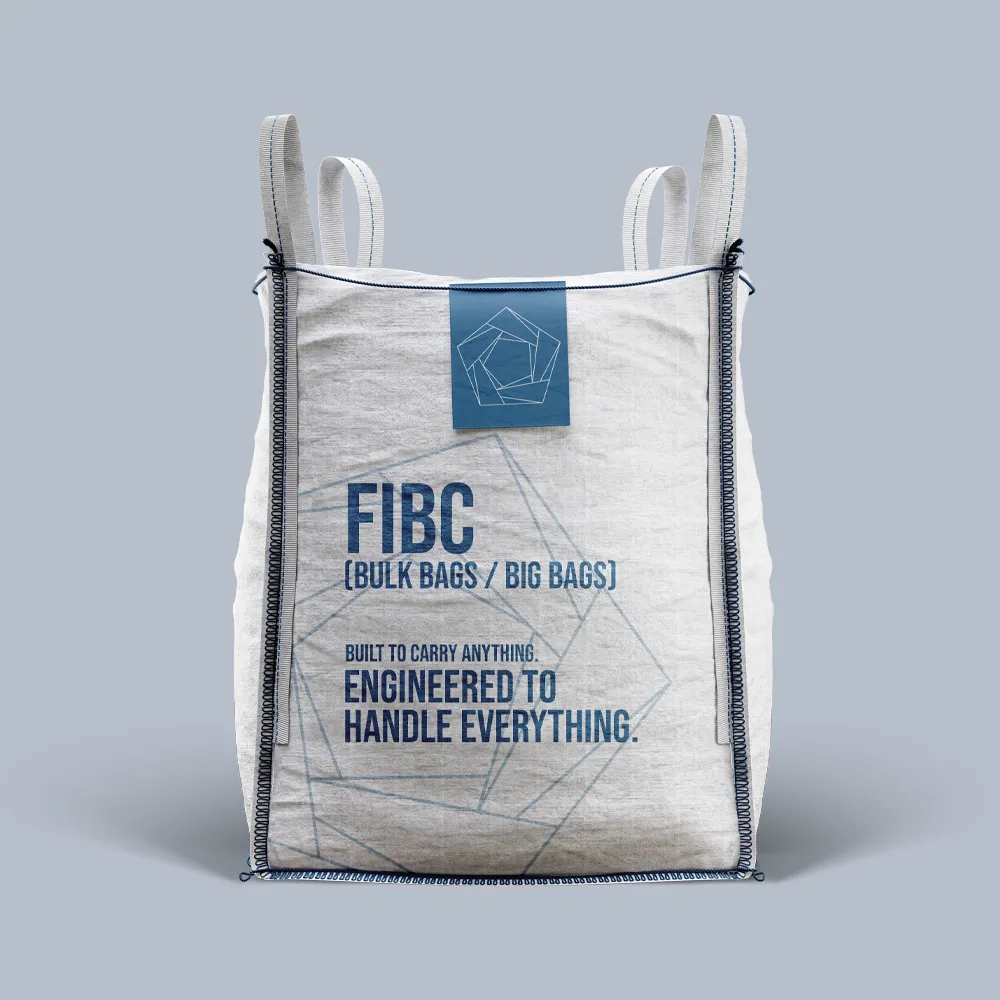
A visual overview of the different FIBC bulk bag styles, lifting methods, inlet options, and discharge systems available to suit a wide range of materials, industries, and handling requirements.